Coffee Time Embroidery: A Designer’s Review for Boutique Apparel
As an embroidery designer who spends hours digitizing and testing files, I approach every new machine embroidery design with a critical eye. It is not just about whether the file runs; it is about how the final stitch-out elevates the garment. Recently, I explored the Coffee Time collection on Creative Fabrica, specifically looking at its potential for boutique apparel and sweatshirt projects. While the product description highlights its suitability for kitchen signs and towels, my focus was strictly on translating this cozy aesthetic into wearable art for a small clothing brand.
Visual Personality and Stitching Mood
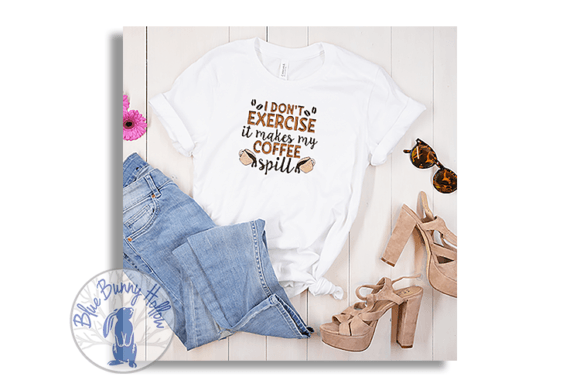
The first impression of the Coffee Time design is one of warmth and approachability. The motif features a classic coffee cup paired with scattered coffee beans and a charming quote. Visually, it strikes a balance between rustic charm and modern minimalism. It does not feel overly busy or cluttered, which is crucial when working with smaller hoop sizes on apparel. The decorative strength lies in its simplicity; it feels premium yet casual, making it versatile enough for both feminine pastel hoodies and bold, dark oversized garments.
For those of us creating custom apparel, the mood of the design dictates the fabric choice. This particular embroidery file exudes a cozy, seasonal vibe. It is not trying to be high-fashion avant-garde; instead, it leans into the "comfort core" trend that dominates social media graphics and lifestyle product photos. The quote element adds a narrative layer, turning a simple sweatshirt into a conversation piece.
Performance on Sweatshirts and Hoodies
When planning a small collection for an online shop, placement is everything. I envisioned the Coffee Time design on neutral sweatshirts and pastel hoodies. For a left-chest placement, the scale appears ideal. It is large enough to be legible but small enough to remain subtle. On darker apparel, such as charcoal or navy fleece, the design would require careful selection of thread colors. High-contrast threads, like cream or light tan, would make the coffee cup pop against the dark background, enhancing the visual impact without overwhelming the garment.
For sleeve accents, the compact nature of the coffee bean elements could work beautifully as a secondary detail. However, one must consider the stitch density. Fleece and ribbed fabrics behave differently than woven cottons. If the design has dense satin stitches, it might pull on stretchy fabric. Therefore, testing on scrap fabric similar to your final garment is non-negotiable. I recommend using a cut-away stabilizer for hoodies to prevent distortion over time, ensuring the finished product maintains its professional presentation.
Versatility Beyond the Chest
While chest placement is standard, this design offers flexibility for other boutique merchandise. Imagine the full motif on the back of an oversized t-shirt, perhaps centered between the shoulder blades. This creates a striking statement piece that stands out in Etsy listings and social media feeds. Alternatively, the coffee cup alone, minus the text, could serve as a subtle accent on a denim jacket pocket or a tote bag handle.
For Etsy sellers and handmade business owners, versatility increases the perceived value of the digital embroidery file. By showing the design on various items—tote bags, cozy seasonal outfits, and even kitchen textiles—you broaden your customer base. The design’s adaptability allows for creative cross-promotion. A customer buying a hoodie might also purchase a matching towel, creating a cohesive lifestyle brand identity.
Technical Considerations for Apparel Decorators
Before committing to a production run, there are several technical factors to review. Since the product description mentions it is perfect for wall art and napkins, we must assume the original digitizing might prioritize stability over stretch. When applying this to sweatshirt embroidery, pay close attention to the lettering. Tiny lettering can become illegible if the thread tension is too tight or if the fabric piles up. Always check the hoop size requirements listed in the Creative Fabrica product details to ensure it fits your machine’s capabilities.
Fabric texture plays a significant role in the final look. On smooth cotton t-shirts, the stitches will lie flat and crisp. On textured fleece, the beans and cup outline might sink slightly into the pile. To counteract this, consider using a topping stabilizer for dark or plush fabrics. This ensures the thread colors remain vibrant and the details stay sharp. Additionally, verify the license terms on Creative Fabrica. Most files allow for commercial use of finished products, but it is essential to confirm this before selling any commercial embroidery items.
Enhancing Brand Identity and Buyer Trust
Consistency is key to building a recognizable boutique brand. Using a cohesive design like Coffee Time across multiple products helps establish visual consistency. When customers see the same high-quality stitching on a hoodie, a tote, and a mug wrap, it builds trust. They begin to associate your shop with quality and attention to detail. This professional presentation is what separates a hobbyist from a serious small shop product line.
Moreover, the emotional connection of coffee culture cannot be understated. Coffee represents comfort, routine, and warmth. By embedding this sentiment into your apparel, you are selling more than just cloth and thread; you are selling a feeling. This emotional resonance drives customer engagement and encourages repeat purchases. For printable mockup creators, this design offers excellent opportunities for realistic lifestyle scenes, further enhancing the appeal of your digital or physical listings.
Final Designer Notes
In summary, the Coffee Time embroidery design is a strong contender for apparel decorators looking to add a touch of cozy elegance to their collections. It performs well on various fabrics, provided you adjust your stabilizer and thread choices accordingly. Whether you are creating a limited edition hoodie drop or expanding into home goods, this design offers the flexibility needed for a diverse product range.
Remember to always test on scrap fabric, check the specific file formats compatible with your machine, and review the licensing agreement on Creative Fabrica. With careful execution, this design can become a staple in your handmade product lineup, appealing to coffee lovers and fashion enthusiasts alike. It is a testament to how a simple, well-digitized motif can transform everyday apparel into cherished keepsakes.