Hair Dryer Beautician Tools: A Designer’s Review
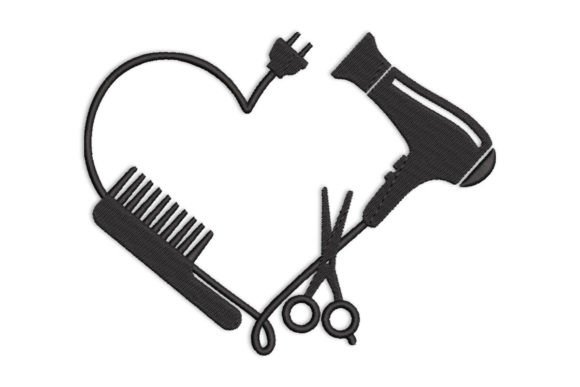
As an embroidery designer who has spent years helping small businesses translate their brand identity into thread, I approach every new machine embroidery design with a critical eye. It is not enough for a file to look cute on a screen; it must perform under the needle, withstand industrial washing, and elevate the perceived value of the finished product. Recently, I evaluated the Hair Dryer Beautician Tools design, specifically looking at its potential for branded merchandise and professional use in the beauty industry.
The initial impression of this design is one of approachable professionalism. The description invites us to "embellish your fabrics with this lovely embroidery design," suggesting a focus on charm and whimsy. For beauty professionals, salon owners, and boutique creators, this balance is crucial. You want to appear skilled and high-end, but also welcoming and friendly. This design leans into that sweet spot, offering a visual cue that speaks directly to hair care, styling, and personal grooming without feeling overly corporate or sterile.
Visual Personality and Brand Alignment
When selecting assets for small business merch, consistency is key. The Hair Dryer Beautician Tools motif carries a decorative yet clear aesthetic. It does not scream "industrial manufacturer"; instead, it whispers "handcrafted care." This makes it an excellent candidate for businesses that rely on personal connection, such as independent stylists, mobile beauticians, or boutique salons that pride themselves on a personalized touch.
In terms of brand identity, this design works best when paired with clean, modern typography or soft, pastel thread palettes. It feels at home in the Beauty category because it directly references the tools of the trade. However, its whimsical nature means it should be used strategically. It is not a minimalist logo replacement but rather a complementary graphic that adds personality to uniforms, packaging, and client gifts.
Real-World Applications for Business Owners
I tested the versatility of this digital embroidery file by imagining several common use cases for my clients. Here is how it performs in practical scenarios:
- Staff Uniforms and Aprons: Placing this design on the chest pocket of a stylist’s apron creates an immediate visual association with their expertise. It turns a standard uniform into a branded asset. For apron embroidery, ensure the design is scaled correctly so it does not overwhelm the pocket space.
- Embroidered Patches: This is perhaps the strongest application. An embroidered patch featuring the hair dryer motif can be sewn onto tote bags, denim jackets, or even pinned to blazers. Patches allow for flexibility; you can produce them in bulk and apply them to various items as needed, reducing waste and inventory risk.
- Cap Embroidery: For casual staff wear or retail merchandise, cap embroidery offers high visibility. The curved surface of a cap requires careful digitizing. If the design has too much stitch density, it may pucker the fabric. I recommend testing a smaller version on the front panel to ensure clarity.
- Tote Bag Design: Retailers often sell branded totes as eco-friendly alternatives to plastic bags. A tote bag design featuring this motif appeals to customers who appreciate handmade details. It serves as a walking advertisement for your salon or shop.
Technical Considerations and Production Notes
Before running a full production batch, any serious embroiderer must address technical constraints. The product description notes that this file comes with specific attributes, but it cuts off at "comes with mu." This ambiguity is a red flag for production planning. As a designer, I advise you to verify the exact file formats included (such as PES, DST, or JEF) and confirm the available hoop sizes before purchase. You do not want to buy a file that only fits a 4x4 hoop if your primary application is a large back-panel design on a jacket.
Furthermore, always check the stitch count and density. High-density designs can cause fabric distortion, especially on lighter materials like silk scarves or thin cotton towels. For custom apparel made from delicate fabrics, you may need to adjust the pull compensation or use a cut-away stabilizer to maintain shape integrity.
Another critical factor is thread colors. While the design may look vibrant in multi-color previews, consider how it reads in monochrome. Many uniforms are black, navy, or white. Test the design in black and white first to ensure the outlines remain distinct and the iconography is recognizable without color cues. Contrast is vital for legibility, especially from a distance.
Strategic Placement and Cautionary Areas
Not every surface is suitable for every design. When using Hair Dryer Beautician Tools, avoid placing it on areas subject to extreme friction or stretching, such as the elbows of fitted shirts or the seat of pants. Additionally, be cautious with tiny lettering if the design includes text elements. Small details can get lost in the fabric texture of terry cloth towels or fuzzy fleece.
For items that require frequent washing, such as salon capes or daily-use towels, ensure the thread quality is high-grade polyester or rayon that resists fading. A faded logo undermines the perception of quality. Always create a printable mockup or a physical sample for client approval before committing to a large run. This step saves time and money by catching issues with spacing or scale early in the process.
Enhancing Customer Trust and Value
Ultimately, the goal of using commercial embroidery is to build trust. When a customer receives a towel or wears an apron with a well-executed, charming design, they perceive the brand as attentive to detail. This attention to detail translates to perceived competence in their service. A sloppy stitch job suggests sloppy service; a crisp, clean embroidered patch suggests precision and care.
This design supports that narrative by adding a layer of handmade authenticity. In an era of mass-produced goods, handmade product elements stand out. Whether you are an Etsy seller creating gift sets for beauticians or a salon owner upgrading your team’s look, this design serves as a bridge between professional utility and artistic expression.
Remember to review all licensing terms associated with the embroidery file. Ensure you have the rights to use the design for commercial purposes if you are selling the finished items. Once verified, integrate this motif into your broader suite of design assets. Use it consistently across your social media graphics, packaging inserts, and physical merchandise to create a cohesive brand experience.
In conclusion, Hair Dryer Beautician Tools is a versatile addition to the toolkit of any designer working in the beauty sector. It offers charm without sacrificing professionalism, provided it is executed with technical precision. By paying attention to stabilizer choice, thread contrast, and appropriate placement, you can transform this simple digital file into a powerful tool for brand recognition and customer engagement.