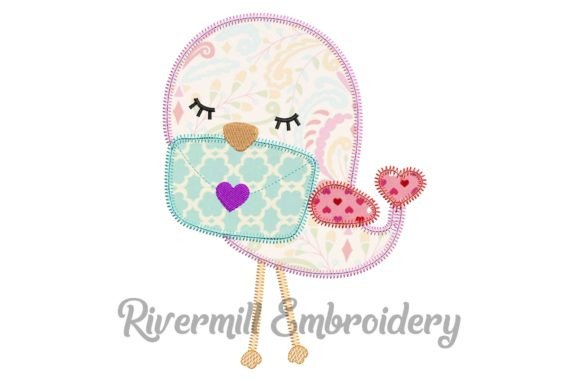
Reviewing the Zig Zag Applique Love Bird Design
As a designer who spends half my life staring at stitch maps and the other half wrestling with hoop tension, I have learned to be skeptical of cute. Cute often translates to messy in the machine world. However, when I loaded the Zig Zag Applique Love Bird into my software for a recent client project, I found myself pausing to appreciate the balance between whimsy and technical practicality. This is not just another clip-art bird; it is a thoughtfully constructed applique design that solves several common headaches for embroidery professionals and hobbyists alike.
First Impressions: Mood and Visual Personality
The immediate appeal of this design lies in its playful geometry. The "zig zag" element suggests movement and energy, breaking away from the static nature of traditional satin-stitch birds. It creates a mood that is lighthearted yet modern. For those of us running small shops or selling on Etsy, visual personality is currency. This design does not scream for attention with excessive density; instead, it invites the viewer in with clean lines and a charming silhouette. It feels appropriate for a wide demographic, from nursery decor to trendy adult apparel, making it a versatile asset for any design assets library.
Real-World Application: The Tote Bag Test
To truly evaluate an embroidery file, you must imagine it on a physical product. I recently used this design for a custom order of canvas tote bags. The client wanted something that felt handmade but polished. Here is where the applique technique shines. By using fabric for the body of the bird rather than filling the entire shape with thread, the design remains lightweight. This is crucial for tote bags, which need to drape correctly and not become stiff patches of thread.
The contrast between the zig-zag edge and the smooth fabric insert creates a tactile experience that customers love. When you run your hand over the finished product, you feel the texture of the fabric and the slight ridge of the stitching. This adds perceived value to the handmade product. It signals care and intention, which is exactly what buyers look for when purchasing personalized gifts or boutique items.
Versatility Across Product Lines
Beyond totes, I see this design performing exceptionally well in several other categories. For sweatshirt embroidery, the applique method prevents the heavy, cardboard-like feel that dense fill stitches can create on fleece or cotton blends. It breathes better and washes better. For baby embroidery, the softness is a major selling point. Parents are increasingly conscious of scratchy threads against sensitive skin, and an applique bird offers a smooth, safe alternative.
It also works beautifully for holiday embroidery projects. Imagine this bird stitched onto a linen tea towel with festive thread colors, or as part of a larger seasonal motif on a pillow cover. Its simplicity allows it to scale well. Whether you are creating a small embroidered patch for a denim jacket or a larger centerpiece for a home decor item, the design maintains its integrity. For Etsy sellers and craft business owners, this versatility means you can market the same digital file across multiple niches, maximizing your return on investment.
Technical Considerations and Fabric Choices
While the design is forgiving, it is not immune to poor execution. The success of any machine embroidery design relies heavily on the interaction between thread, fabric, and stabilizer. Because this is an applique, you are dealing with two layers of material plus the backing. I recommend using a cut-away stabilizer for stretchy fabrics like t-shirts to prevent puckering around the zig-zag edges. For woven fabrics like towels or aprons, a tear-away may suffice, but always test first.
Thread color contrast is vital here. The zig-zag border defines the shape. If you choose a thread color that blends too closely with the applique fabric, the definition will be lost. I suggest testing high-contrast combinations in your software before stitching. Also, pay attention to the stitch density of the border. If your machine tends to pull fabric, you might need to adjust the tension or use a water-soluble topping on textured fabrics like terry cloth towels to keep the stitches sitting on top of the loops.
Where to Use Caution
There are scenarios where this design requires careful planning. On very thin or slippery fabrics, the placement stitch and the subsequent trimming of the applique fabric can be tricky. Ensure your hoop size is appropriate; while the design is not massive, crowding it into a tiny hoop can lead to distortion. Additionally, be mindful of curved surfaces like caps. The flat nature of the applique may not conform perfectly to a highly curved crown without proper hooping techniques or specialized cap frames.
Avoid using this design on garments that require extreme durability in high-friction areas unless you reinforce the edges well. The zig-zag stitch is secure, but repeated abrasion can eventually fray the edges of the applique fabric if not trimmed precisely.
Enhancing Brand Consistency and Trust
For commercial embroidery and small shop products, consistency is key. Using a reliable design like the Zig Zag Applique Love Bird helps build brand recognition. When customers see a clean, well-executed stitch-out, they trust the maker. Sloppy appliques with stray threads or uneven borders undermine that trust. Take the time to trim your fabric close to the stitch line and use sharp scissors. These small details elevate a simple embroidery project into a professional-grade finished product.
When creating printable mockups or digital previews for your online store, ensure the lighting highlights the texture of the applique. Show the depth and the craftsmanship. This transparency helps manage customer expectations and reduces returns.
Final Designer Notes
Before you commit to a large production run or list this as a new item in your shop, follow these practical steps:
- Test on scrap fabric: Always stitch a sample on the exact material you plan to use for the final product.
- Check licensing: Confirm whether the digital embroidery file allows for commercial use of finished items. Most designers allow it, but always verify.
- Inspect small details: Zoom in on the digitizing. Look for unnecessary jumps or confusing pathing that might cause thread breaks.
- Experiment with thread colors: Try metallic threads for the zig-zag border for a holiday twist, or matte cotton for a rustic look.
- Consider the background: Test the design on both light and dark fabrics to ensure visibility and contrast.
The Zig Zag Applique Love Bird is a solid addition to any designer’s toolkit. It balances charm with technical ease, making it suitable for everyone from beginners learning applique techniques to seasoned professionals looking for efficient, high-quality designs. By respecting the materials and taking the time to refine your process, you can turn this simple bird into a standout feature of your creative portfolio.