Santa Claus Hat: A Designer’s Review for Business Merch
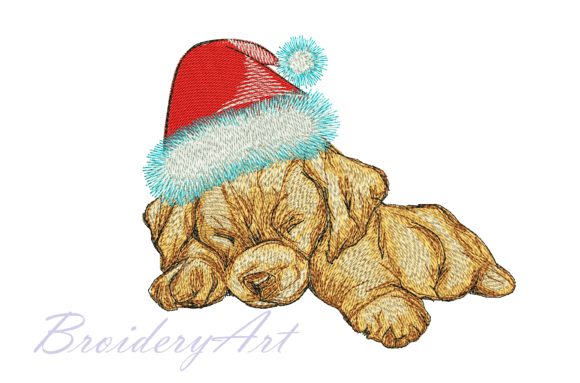
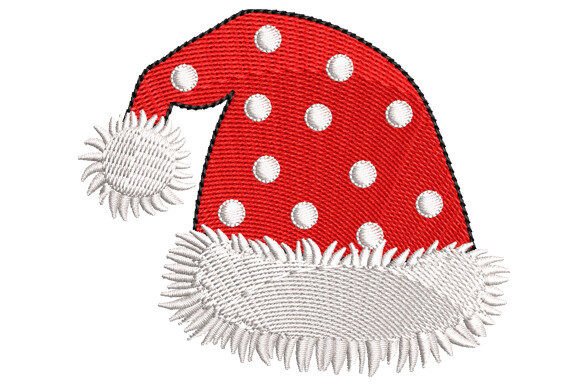
As an embroidery designer who has spent years digitizing files for small businesses, I approach every new machine embroidery design with a critical eye. It is not just about whether the image looks cute on a screen; it is about how it performs in production, how it elevates a brand, and whether it holds up under the stress of commercial use. When I first reviewed the Santa Claus Hat embroidery file, my immediate impression was one of accessible charm. The description promises to "add a little festive flair," and visually, it delivers a playful yet clean aesthetic that fits seamlessly into the Christmas category without feeling cluttered or overly complex.
First Impressions and Visual Personality
The Santa Claus Hat design strikes a balance between traditional holiday imagery and modern simplicity. For small business owners, this is crucial. Overly detailed designs can look messy when scaled down, while overly simple ones can feel generic. This design feels friendly and inviting, which is exactly the vibe many boutique owners, café managers, and handmade brands want to project during the holiday season. It does not scream for attention with aggressive boldness but rather offers a warm, decorative touch that suggests a premium, thoughtful approach to seasonal branding.
From a technical standpoint, the creative design appears optimized for clarity. The lines are distinct, suggesting that the digitizer considered stitch flow and coverage. This is vital for maintaining a professional look on various fabrics. Whether you are running a florist shop looking to brand gift wraps or a pet brand creating holiday bandanas, the visual personality of this embroidery file supports a narrative of care and celebration.
Real-World Applications for Small Business Merch
The true test of any digital embroidery file is its versatility across different products. Here is how I envision the Santa Claus Hat performing in real business scenarios:
- Embroidered Patches: This is perhaps the strongest use case. The design’s contained shape makes it ideal for iron-on or sew-on patches. These can be sold as standalone accessories or used to upgrade plain beanies and jackets, adding significant perceived value to your small business merch.
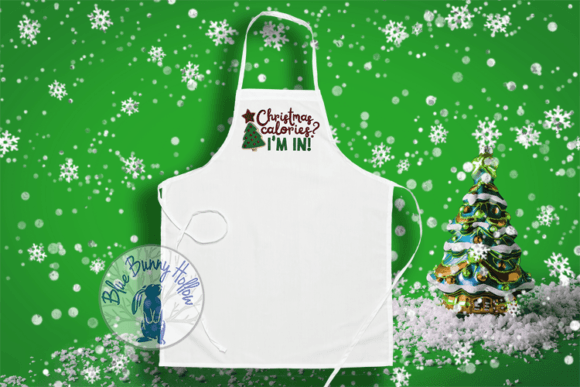
- Staff Uniforms and Aprons: For bakeries, coffee shops, and retail boutiques, staff apparel is a walking billboard. Embroidering this design on the chest pocket of an apron embroidery project or the sleeve of a work shirt creates a cohesive team look. It signals to customers that your business is engaged with the season, fostering a sense of community and trust.
- Cap Embroidery: Placing the Santa hat on the front panel of a dad hat or trucker cap is a classic move. However, due to the curved surface, placement is key. The design’s compact nature works well here, provided the stitch count is manageable for the cap’s structure.
- Tote Bag Design: Canvas totes are staples for eco-conscious brands. The Santa Claus Hat can serve as a subtle corner accent or a central focal point. Its charming design infuses personality into what might otherwise be a plain utility item, making it a desirable customer gift or retail product.
Technical Considerations and Production Notes
While the design is charming, experienced embroiderers know that aesthetics must align with technical reality. Before running a full production batch, there are several factors to evaluate to ensure a high-quality finished product.
Stitch Density and Fabric Texture: Always check the stitch density of the file. If the design is too dense, it may cause puckering on lightweight fabrics like thin cotton tote bags or silk scarves. Conversely, if it is too sparse, it may not cover dark uniforms effectively. I recommend testing the design on the exact fabric you plan to use. For textured fabrics like fleece or terry cloth, ensure the design has enough saturation to remain visible without getting lost in the pile.
Hoop Size and Placement: Confirm the required hoop size before starting. While the Santa hat is likely small, ensuring it fits within your machine’s minimum hoop capabilities is essential for efficiency. For cap embroidery, you will need a cap frame and potentially a different stabilizer strategy than you would use for flat garments.
Stabilizer Selection: The choice of stabilizer can make or break the look. For stretchy fabrics like jersey tees, a cut-away stabilizer is often necessary to prevent distortion. For woven fabrics like denim or canvas, a tear-away might suffice. Always run a test stitch to verify that the fabric remains flat and the stitches lie smooth.
Brand Identity and Customer Engagement
Incorporating the Santa Claus Hat into your product line is not just about decoration; it is a strategic move for brand identity. Consistent use of themed design assets helps build recognition. When customers see this specific style of embroidery on your packaging, your social media printable mockups, and your physical products, it creates a unified visual language.
This consistency builds trust. It shows that you pay attention to detail and invest in quality custom apparel and merchandise. For Etsy sellers and crafters, offering items with this embroidered accent can differentiate your handmade product from mass-produced alternatives. It adds a layer of artisanal value that customers are willing to pay for.
Practical Designer Checklist
Before you commit to using this design for commercial embroidery projects, follow this checklist to ensure success:
- Test in Black and White: Convert the design to monochrome in your software to check for contrast issues. If the details disappear in black and white, they may get lost on dark fabrics.
- Check Small Patch Viability: Scale the design down to the smallest size you intend to produce. Ensure the outlines remain clear and do not merge.
- Review Thread Colors: Select thread colors that offer high contrast against your base fabric. Traditional red and white work well, but consider brand-specific colors if you are customizing for a corporate client.
- Inspect Spacing: Look for areas where stitches might overlap excessively or where jump stitches are too long, which could lead to snagging.
- Create a Mockup: Use a printable mockup or digital preview to show clients or stakeholders how the design will look on the final garment before stitching begins.
- Confirm Licensing: Most importantly, verify the license terms of the digital embroidery file. Ensure it allows for commercial use if you are selling the finished items. Never assume; always read the provider’s terms.
The Santa Claus Hat embroidery design offers a delightful way to infuse personality into your fabric products. By approaching it with a designer’s mindset—focusing on technical execution, brand alignment, and practical application—you can turn a simple holiday motif into a powerful tool for business growth. Whether used on a cozy beanie, a sturdy tote, or a professional apron, this design has the potential to enhance your Christmas collection and delight your customers.