Flying Balloons: A Craft Fair Designer’s Review
As an embroidery designer who has spent countless weekends standing behind booth tables, I know that not every design translates from the screen to the sales floor. When I first loaded the Flying Balloons machine embroidery design into my software, I was looking for that specific spark that turns a casual browser into a committed buyer. This isn’t just about aesthetics; it is about viability in the high-pressure environment of a handmade market. Based on the product description, which promises to embellish fabrics with a touch of whimsy and charm, this design targets a specific emotional response: joy. For craft fair sellers, Etsy sellers, and boutique makers, capturing that fleeting moment of delight is often the key to closing a sale.
First Impressions and Market Fit
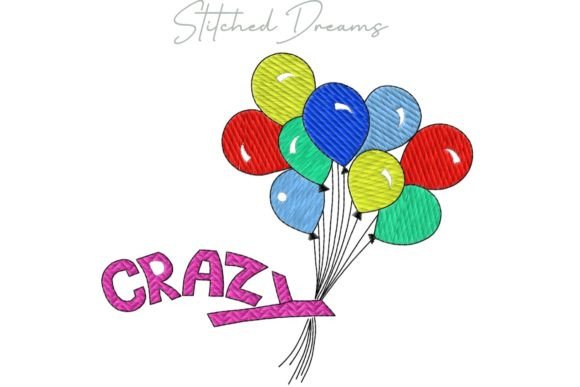
The immediate vibe of Flying Balloons is playful and lighthearted. It does not scream rustic farmhouse or severe minimalism. Instead, it leans into a modern, decorative aesthetic that appeals to a broad demographic. In the context of the Toys category, this design bridges the gap between childlike wonder and adult appreciation for quality craftsmanship. It feels soft and inviting, making it an excellent candidate for products that require a personal touch. When evaluating a digital embroidery file for commercial use, I always ask myself if the motif is instantly recognizable from three feet away. Balloons are a universal symbol of celebration, which gives this design an inherent advantage in visual communication.
Strategic Product Placement
Choosing the right substrate is critical for maximizing the impact of this design. While the description suggests towels and pillows, my experience dictates a more strategic approach for a craft fair booth. Here is how I would deploy Flying Balloons across various handmade products:
- Tote Bag Design: A canvas tote with this motif stitched in vibrant thread colors creates an instant bestseller. It transforms a utilitarian item into a statement piece.
- Apron Embroidery: Placing the design on the bib of a kitchen apron adds personality without overwhelming the garment. It appeals to home cooks who value both function and fun.
- Tea Towel Embroidery: This is a classic craft fair staple. The design works well here, provided the stitch density is appropriate for the fabric texture.
- Embroidered Patch: Creating iron-on or sew-on patches allows customers to customize their own jackets or bags, increasing engagement at your booth.
- Pillow Covers: For home decor, this design adds a pop of color to neutral living spaces, fitting perfectly into the "whimsy" niche.
For small shop product lines, consistency is key. Using Flying Balloons across a coordinated collection—such as matching tote bags and pouches—creates a stronger brand presence than scattered, unrelated items.
Production Practicality and Batch Efficiency
From a production standpoint, time is money. A design that looks beautiful but takes forty minutes to stitch is rarely profitable for small batch production. Flying Balloons appears to be designed for efficiency, likely featuring clean lines and manageable stitch counts. However, before committing to a large run, you must verify the specifics. Since the provided description cuts off at "comes with mu," it is crucial to check the actual file details for included formats and hoop size compatibility. Does it fit in a 4x4 hoop for quick patches, or does it require a 5x7 or larger frame for tote bags? Confirming these technical specs prevents costly errors during production.
Photography is another vital consideration. This design should photograph exceptionally well for your Etsy listings or printable mockup assets. The curved lines of balloons reflect light nicely, adding dimension to flat-lay photos. Ensure you use high-contrast thread colors against your fabric choice to make the design pop in digital images, where customers cannot feel the texture.
Technical Considerations and Careful Use
Even the most charming design can fail if technical execution is poor. Here are specific areas where you need to exercise caution when stitching Flying Balloons:
- Fabric Texture: Stitching on textured towels can cause small details to get lost. If the design has fine lines, test it on a plush towel first. You may need to adjust the stitch density or use a topping stabilizer to prevent sinking.
- Curved Surfaces: If applying this to caps, remember that the curved surface distorts the image. Use proper hooping techniques and consider resizing the design slightly smaller to maintain proportion.
- Dark Fabric: If stitching on navy or black fabric, ensure your thread colors have enough brightness. Pastel threads may vanish against dark backgrounds, ruining the whimsical effect.
- Stitch Density: Check the density settings in your software. Too dense, and the fabric will pucker; too sparse, and the backing will show through. Always run a test stitch on scrap fabric identical to your final product.
Enhancing Visual Appeal and Brand Value
Integrating Flying Balloons into your lineup does more than add inventory; it enhances your brand’s perceived value. Customers associate intricate, well-executed embroidery with premium quality. By offering this design on high-quality blanks, you elevate a simple item into a cherished keepsake. For creative entrepreneurs, this design serves as a versatile asset. It can be the focal point of a gift set or a subtle accent on a larger piece.
Furthermore, this design supports commercial embroidery goals by appealing to impulse buyers. At a craft fair, people are drawn to items that evoke positive emotions. The sight of colorful balloons floating across a tote bag triggers a sense of nostalgia and happiness, making it harder for customers to walk away empty-handed.
Final Designer Notes
Before you list this as a finished product or include it in your next market prep, take these final steps. First, confirm the commercial licensing terms associated with the digital embroidery file. Never assume; always read the license agreement to ensure you are compliant when selling physical goods. Second, create at least one real-world mockup. Digital previews are helpful, but seeing the thread sheen and fabric drape in person is irreplaceable. Compare different fabric colors to see which combination makes the Flying Balloons design sing.
In conclusion, Flying Balloons is a strong contender for any embroidery business looking to inject charm into their offerings. It balances aesthetic appeal with practical application, making it suitable for everything from tea towels to toddler accessories. By paying attention to stabilizer choices, thread contrast, and hoop sizes, you can ensure that every stitch contributes to a professional, sellable product. For the handmade shop owner, this design is not just a pattern; it is a tool for connection, turning everyday objects into sources of joy.