Heart Border: A Designer’s Review for Craft Fair Success
As an embroidery designer who has spent countless weekends behind a booth table, I know that not every design translates into sales. Some look beautiful on screen but vanish in a crowded market setting. Others are too complex to produce in bulk, eating into your profit margins. Today, I am reviewing Heart Border, a machine embroidery design that promises to embellish fabrics with whimsy and charm. My goal is to determine if this specific border fits the practical needs of craft fair sellers, Etsy shop owners, and boutique makers looking for reliable, high-converting products.
First Impressions: Whimsy Meets Versatility
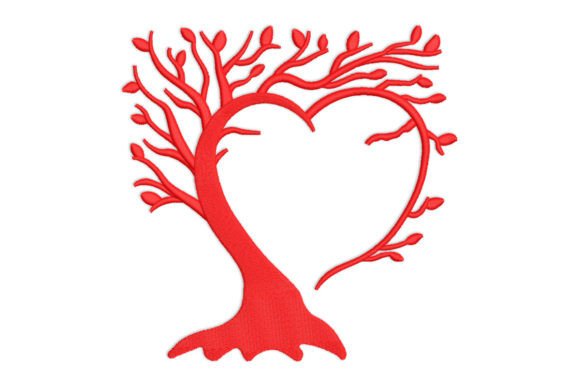
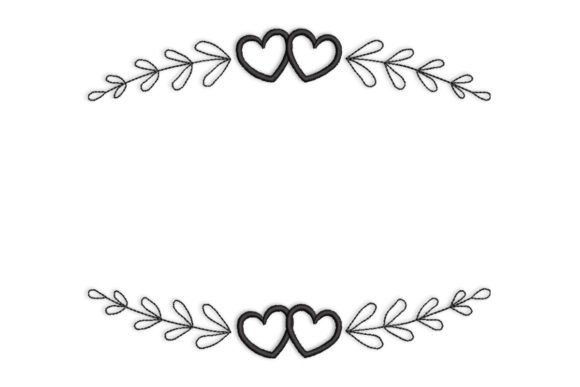
The title Heart Border immediately suggests a decorative element rather than a standalone focal point. In the world of Embroidery, borders are often underrated, yet they are incredibly powerful for framing text or adding a finished look to simple items. Based on the description, which highlights a touch of whimsy and charm, this design likely features soft curves and playful heart motifs. It does not scream "rustic" or "industrial"; instead, it leans toward a sweet, approachable aesthetic that appeals to a broad demographic. For a handmade product line, this versatility is gold. It can fit into a farmhouse kitchen display just as easily as it can adorn a modern nursery item.
Product Applications for Maximum Sales
When preparing my craft fair booth, I always ask: where does this design shine? For Heart Border, the answer lies in items that benefit from linear decoration. Here is how I would deploy this embroidery file across various product categories:
- Tea Towel Embroidery: This is arguably the strongest application. A border running along the hem of a linen or cotton tea towel looks professional and intentional. It elevates a basic household item into a giftable handmade product.
- Apron Embroidery: Stitching this border along the bottom edge or the bib of an apron adds a custom touch that mass-produced items lack. It signals quality to the buyer.
- Tote Bag Design: While large central graphics are common on totes, a subtle border along the top rim or the base can create a sophisticated, branded look. It works particularly well for market bags used by local shoppers.
- Pillow Covers: Framing the edges of a square pillow cover with this design creates a cohesive, framed appearance. It draws the eye inward, making any central print or solid color pop.
- Embroidered Patch: If the design scales down well, it can be digitized or stitched as a patch for caps or jackets. However, careful attention must be paid to detail retention at smaller sizes.
Production Practicality for Small Shop Owners
For an Etsy seller or a small shop product creator, time is money. The beauty of a border design like Heart Border is its repeatability. Once you have your hoop set up and your stabilizer chosen, you can run multiple items in succession. This makes it ideal for batch production. Unlike complex, multi-color central motifs that require frequent thread changes and trimming, a border often uses fewer colors and follows a predictable path. This efficiency allows you to stock up on inventory before peak seasons without burning out.
Photography is another critical factor. Borders photograph exceptionally well because they provide structure. When creating a printable mockup or listing images for your digital embroidery file or finished goods, the linear nature of the design helps guide the viewer’s eye. It looks clean in flat-lay photos and adds texture in lifestyle shots. For commercial embroidery businesses, this visual clarity translates to higher click-through rates on online marketplaces.
Careful-Use Notes and Technical Considerations
While the concept is strong, execution requires diligence. As an experienced designer, I must highlight several technical areas where Heart Border could fail if not handled correctly. First, consider the stitch density. If the hearts are too densely packed, the fabric may pucker, especially on lighter materials like voile or thin cotton. Always test on scrap fabric first.
Fabric texture plays a huge role. On textured towels, fine details might get lost. Ensure the design elements are bold enough to stand out against the looped surface of terry cloth. Conversely, on smooth sateen or silk, ensure the stabilizer is sufficient to prevent shifting. Curved surfaces, such as caps, present another challenge. A straight border will not wrap neatly around a curved brim. You may need to adjust the design curvature or limit its use to flat panels of the cap.
Dark fabric requires special attention to thread colors. If you are stitching on navy or black, ensure your thread contrast is high. Pastel threads may disappear, ruining the whimsical effect. Additionally, check the smallest details. If the hearts have tiny internal cutouts or fine lines, they may not stitch out cleanly at smaller hoop sizes. Always verify the design assets and confirm the recommended hoop size before committing to a large run.
Enhancing Brand Consistency and Buyer Engagement
Using a consistent design element like Heart Border across your product line strengthens brand recognition. When customers see the same charming border on your tote bags, aprons, and home decor, they begin to associate that specific aesthetic with your brand. This consistency builds trust and perceived value. In a busy craft fair environment, a cohesive display stops browsers in their tracks. It shows that you are a serious artisan with a curated collection, not just someone selling random items.
Furthermore, this design invites engagement. Customers often touch embroidered items to feel the texture. A well-stitched border with balanced thread colors feels premium under the fingers. This tactile experience can be the deciding factor in a sale. For digital sellers offering this as a design asset, providing clear instructions on stabilizer choices and fabric recommendations adds value to the download, reducing customer support queries and increasing positive reviews.
Final Designer Verdict
Before you launch this into your store, remember to check the specific details provided with the file. The description notes that the machine embroidery design comes with "mu," which likely refers to multiple formats or units, but you must confirm the exact file formats, stitch count, and commercial licensing terms. Never assume a license covers unlimited commercial sales without reading the fine print.
In conclusion, Heart Border is a strong contender for craft fair products. It balances aesthetic appeal with production efficiency. By applying it to the right items—like tea towels and aprons—and respecting technical limitations like stitch density and fabric texture, you can create a best-selling line of handmade goods. Test it, tweak your thread colors, and watch how this simple border adds a professional finish to your creative entrepreneurship journey.