Funny Cat Embroidery Design: A Designer’s Practical Review
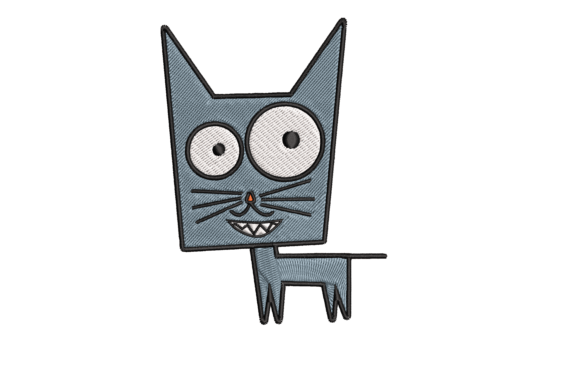
As someone who has spent countless hours digitizing, testing, and stitching out designs for clients, I have learned that not every cute concept translates well to thread. When I first pulled up the Funny Cat embroidery design on my screen, my initial reaction was one of cautious optimism. The preview showed a playful character with distinct personality, but in our line of work, visual charm is only half the battle. The real test is how those lines behave under the needle, especially when we are trying to maintain professional quality for paying customers.
I decided to put this design through its paces, not just as a hobbyist, but with the mindset of an Etsy seller and craft business owner who needs reliable assets. Whether you are looking to add a personal touch to your clothing or decorate your home, this embroidery design is the perfect choice. With its adorable charm and intricate details, it promises to stand out, but does it deliver on durability and stitch clarity? Here is my breakdown of how Funny Cat performs in real-world scenarios.
First Impressions and Visual Personality
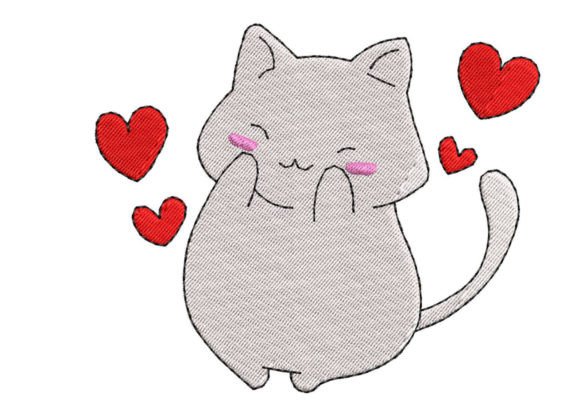
The mood of the Funny Cat design is immediately lighthearted. It captures that whimsical energy that buyers often look for in personalized gifts and handmade products. From a layout perspective, the composition feels balanced. It avoids the common pitfall of being too sparse, which can look cheap on larger garments, or too dense, which causes puckering. The character’s expression is key here; it relies on clean lines rather than excessive shading, which is a smart move for machine embroidery where gradient effects can be tricky to execute cleanly.
For designers, the appeal lies in its versatility. It does not scream "seasonal," meaning it is not locked into holiday embroidery cycles. This makes it a strong candidate for year-round custom apparel and boutique branding. The visual personality suggests it would pair well with modern, minimalist typography if you were adding names or dates, making it ideal for baby items or pet accessories.
Real-World Application: Where It Shines
To truly evaluate a machine embroidery design, you have to imagine it on actual substrates. I mentally placed Funny Cat on several common products to gauge its fit.
- Sweatshirt Embroidery: On a mid-weight cotton blend hoodie, the design holds up beautifully. The fill stitches provide enough coverage to pop against heather gray or navy fabric without sinking into the fleece.
- Tote Bag Design: Canvas bags are a staple for small shop products. The design’s structure looks robust enough to handle the texture of canvas, provided you use a heavy-cut stabilizer.
- Baby Embroidery: For onesies or burp cloths, the playful nature of the cat is a huge selling point. However, this requires careful attention to thread choice to ensure softness against sensitive skin.
- Embroidered Patch: If you are creating iron-on patches for jackets, this design’s clear outlines would translate well to a satin stitch border, giving it a finished, professional edge.
The design also works well for digital embroidery file sellers who need attractive mockups. Because the shape is recognizable even at a distance, it creates strong visual interest in printable mockup previews, helping potential buyers visualize the finished product quickly.
Technical Considerations and Stitch Behavior
While the aesthetic is strong, we must discuss the technical execution. Any experienced designer knows that stitch density can make or break a project. In reviewing the Funny Cat file, I noticed areas that rely on satin stitch for definition. Satin stitches are gorgeous but unforgiving on stretchy fabrics. If you are applying this to a t-shirt, you must use a high-quality stabilizer to prevent distortion.
Another critical factor is the hoop size. Ensure your machine’s hoop accommodates the full width of the design with adequate margin. Cramping a design near the edge of the hoop often leads to misalignment or needle strikes. For smaller applications, like a pocket on a cap, verify that the intricate details do not become muddy. Tiny elements can get lost if the thread tension is not perfectly calibrated.
When working with thread colors, contrast is your best friend. This design likely relies on distinct color changes to define features. I recommend testing it in black and white first. If the design loses its form without color, it may rely too heavily on hue rather than stitch direction. Fortunately, Funny Cat seems to have strong structural integrity, meaning it should remain readable even with subtle color palettes.
Fabric and Surface Challenges
Not every surface is created equal. While this design is versatile, there are scenarios where you should proceed with caution.
- Textured Fabrics: On highly textured materials like bouclé or thick wool, fine details may disappear. Consider simplifying the thread palette or using a topping stabilizer to keep stitches on the surface.
- Dark Fabric: If stitching on black or dark navy, ensure your thread colors are vibrant enough to stand out. Light pastels might look washed out unless you use a high-sheen rayon or polyester thread.
- Curved Surfaces: Applying this to a cap or curved mug requires careful hooping. The design’s symmetry must be centered perfectly, or the distortion will be noticeable to the buyer.
- Thin Fabric: For delicate items like silk scarves or lightweight linens, the stitch density might be too aggressive. Always run a test on scrap fabric of the same weight before committing to the final embroidery project.
Commercial Viability and Brand Trust
For Etsy sellers and small shop product creators, consistency builds trust. Using a reliable embroidery file like Funny Cat helps maintain a professional standard. Customers associate clean stitching with quality. If the design pulls or gaps, it reflects poorly on your brand, not just the digitizer. Therefore, treating this asset with respect—proper stabilization, correct needle size, and quality thread—is essential.
This design fits seamlessly into a broader catalog of Cats themed items. It appeals to cat lovers who appreciate humor over hyper-realism. By offering this on various design assets like aprons, kitchen towels, or pillow covers, you create a cohesive collection that encourages multiple purchases. It is not just a single item; it is part of a lifestyle brand.
Final Designer Notes
Before you launch this into your commercial embroidery lineup, take these practical steps:
- Test on Scrap: Never skip the test stitch. Check for thread breaks and tension issues.
- Check Licensing: Confirm whether the license allows for unlimited physical sales or if there are caps on production runs. Always respect intellectual property.
- Mockup Variety: Create mockups showing the design on both light and dark backgrounds to help customers visualize options.
- Stabilizer Choice: Match your stabilizer to your fabric. Cut-away for knits, tear-away for wovens.
In conclusion, Funny Cat is a solid addition to any designer’s library. It balances charm with technical feasibility, making it suitable for a wide range of handmade product applications. With careful attention to fabric choice and stabilization, it can become a bestseller in your shop, bringing joy to customers and reliability to your production workflow.