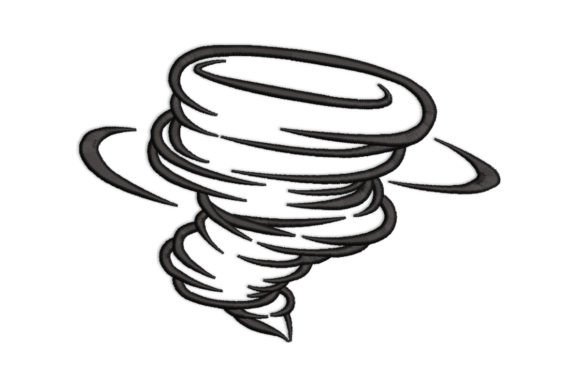
Tornado Embroidery Design: A Designer’s Practical Review
When I first loaded the Tornado machine embroidery design onto my screen, I wasn’t looking for just another weather-themed motif. As a designer who spends hours tweaking digitized files for client projects, I look for balance, stitch flow, and versatility. This particular design caught my eye because it promises more than just a literal interpretation of a storm; it offers a touch of charm that fits surprisingly well into the cozy aesthetic of Autumn decor. But does it hold up under the needle? I put it through its paces to see if it belongs in your next handmade product lineup.
First Impressions: Mood and Visual Personality
The immediate appeal of Tornado lies in its dynamic shape. Unlike static floral patterns or rigid geometric borders, this design carries movement. The swirls suggest wind and energy without becoming chaotic or messy on the fabric. For an embroidery project, this is crucial. If the lines are too thin, they get lost; if they are too dense, the fabric puckers. From a visual standpoint, the layout feels organic. It doesn’t scream "digital clipart." Instead, it has the hand-drawn quality that customers often seek in personalized gifts and boutique branding.
I appreciated the level of detail. It is intricate enough to look professional on a finished product but not so complex that it requires hours of trimming jump stitches. For small shop owners and Etsy sellers, time is money. A design that stitches out cleanly the first time is worth its weight in gold. The theme naturally leans toward weather embroidery, making it a perfect candidate for seasonal collections, yet its abstract nature allows it to transcend specific holidays.
Real-World Application: Where Tornado Shines
To truly evaluate a digital embroidery file, you have to imagine it on actual goods. I started by visualizing Tornado on a heavy cotton tote bag. The swirling lines complemented the natural texture of the canvas, creating a striking contrast that felt both modern and rustic. This is exactly the kind of tote bag design that sells well at craft fairs because it appeals to buyers looking for unique, non-generic accessories.
Next, I considered sweatshirt embroidery. Placing the design on the left chest area of a neutral-colored hoodie created a subtle, high-end look. It wasn’t overpowering, which is key for custom apparel. Many clients want their branded items or personalized gifts to feel wearable, not like walking billboards. The charm of this design allows it to sit comfortably on everyday wear. I also tested the concept mentally on home decor items. Imagine this stitched onto a linen pillow cover or a set of kitchen towels. In the context of Autumn interiors, where textures become richer and colors deeper, the tornado motif adds a whimsical yet sophisticated accent.
For those running a craft business, versatility is vital. This design works equally well as a standalone embroidered patch or as part of a larger composition on a baby item. While "tornado" might sound intense for nursery decor, the stylized execution softens it, making it suitable for gender-neutral baby embroidery projects that focus on nature and elements.
Technical Considerations and Stitch Performance
Let’s talk about the mechanics. When working with any new machine embroidery design, understanding the stitch types is essential for a professional finish. Tornado appears to utilize a mix of fill stitch and satin stitch elements. The fill areas provide body and coverage, ensuring the design pops against the fabric background, while the satin edges likely define the swirling contours. This combination helps maintain stitching clarity, preventing the design from looking flat or muddy.
However, stitch density is something you must monitor. Dense areas can cause puckering, especially on thinner fabrics. If you are planning to use this on a lightweight tea towel or a delicate shirt, I strongly recommend using a cut-away stabilizer rather than a tear-away. The stability provided by cut-away backing ensures that the tension of the threads does not distort the fabric texture over time. For heavier materials like denim or canvas tote bags, a tear-away might suffice, but always test first.
Thread colors play a massive role in how this design reads. On dark fabric, lighter threads will make the swirls stand out dramatically. On light fabric, deep blues, grays, or even earthy autumn tones can create a subtle, tonal effect. I advise checking the design in black and white mockups before stitching. This helps you see the contrast and ensure that the details remain visible regardless of the thread palette you choose.
Where to Use Caution
While Tornado is versatile, it is not without its limitations. Curved surfaces, such as caps or hats, require careful hoop placement. The swirling nature of the design means that if it is not centered perfectly, the motion can look distorted. Additionally, tiny lettering or extremely fine details can get lost if the hoop size is too small or if the needle size is inappropriate for the thread weight.
If you are creating items that require frequent washing, such as baby clothes or kitchen linens, ensure that your stitch density is optimized. Overly dense designs can become stiff after multiple wash cycles. Always review the specific file details provided with the purchase. Since this product comes with multiple embroidery file formats, you should select the one that best matches your machine’s capabilities and your intended hoop size. Do not assume compatibility; check the specifications.
Commercial Value and Brand Consistency
For commercial embroidery projects, consistency is key. Using a design like Tornado across a product line—such as matching aprons and towels for a boutique kitchen collection—creates strong brand recognition. It signals attention to detail and a cohesive aesthetic. Customers trust handmade products that look polished and intentional. This design supports that perception by offering a clean, professional appearance that enhances the perceived value of the finished product.
Whether you are selling digital embroidery files or physical handmade products, the license terms matter. Before listing items on Etsy or using them in client work, confirm whether the license allows for commercial use. Most designers provide clear guidelines, but it is your responsibility as a creative entrepreneur to verify this. Protecting your business and respecting intellectual property is part of maintaining professionalism in the industry.
Final Verdict for Makers and Designers
In my experience, Tornado is a solid addition to any designer’s library. It bridges the gap between whimsical and professional, making it suitable for a wide range of applications from holiday embroidery gifts to everyday custom apparel. It performs well on various fabrics, provided you use the correct stabilizer and thread choices. The charm it adds to home decor and personal accessories is undeniable, and its adaptability makes it a safe bet for small shop products.
My advice? Start with a test stitch on scrap fabric similar to your final material. Check the tension, inspect the small details, and adjust your stabilizer if needed. Once you dial in the settings, you will find that this design delivers the quality and aesthetic appeal your customers expect. It is a reliable tool for creating memorable, high-quality embroidery projects that stand out in a crowded market.