Heart Tree Embroidery: A Designer’s Real-World Review
As a designer who has spent countless hours staring at digitized files and watching needles dance across fabric, I have developed a keen eye for what works in the real world. We often see beautiful previews online, but the true test of any machine embroidery design is how it translates from screen to stitch. Recently, I evaluated the Heart Tree design, a piece that promises whimsy and charm for various textile applications. Here is my honest assessment of how this design performs in actual production environments, specifically for those of us running small shops or creating personalized gifts.
First Impressions and Visual Mood
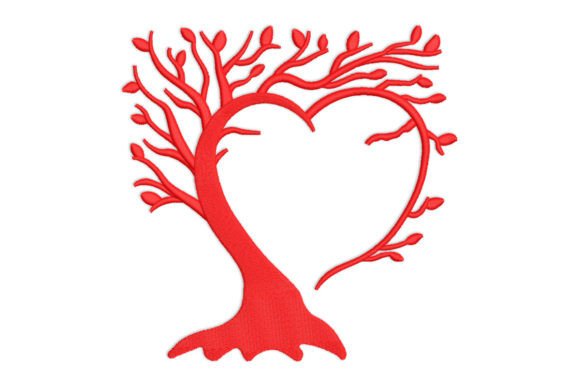
The first thing that strikes you about the Heart Tree is its gentle narrative quality. It is not just a graphic; it feels like a story. The layout combines organic tree structures with heart-shaped foliage, creating a visual personality that is both romantic and grounded. For designers, this balance is crucial. If the hearts are too perfect, the design looks clip-art-ish. If they are too abstract, the theme gets lost. This design manages to walk that line effectively, offering a touch of whimsy without sacrificing clarity.
The mood it creates is inherently warm. It fits naturally into the Valentine S Day category, but its appeal extends beyond February. Because the imagery is rooted in nature, it works year-round for nursery decor, wedding gifts, or simply adding a soft accent to home textiles. When I look at this design, I do not just see a pattern; I see a finished product that invites touch and connection.
Real-World Application Scenarios
To truly understand the value of an embroidery file, we must imagine it on actual goods. I visualized this design on a few specific items to gauge its versatility.
- Custom Apparel: Imagine this stitched on the left chest of a high-quality sweatshirt. The organic lines of the tree would contrast nicely with the smooth fleece, creating a boutique feel that mass-produced prints cannot match.
- Home Decor: On a linen pillow cover or a cotton tea towel, the design adds immediate character. For kitchen towels, the whimsical element makes the item feel special, elevating it from a utility object to a decorative accent.
- Baby Items: This is perhaps where the design shines brightest. Stitched on a baby blanket or a onesie, the soft curves and heart motifs convey safety and love. It is an ideal choice for handmade products intended as heirloom-quality gifts.
For Etsy sellers and craft business owners, this versatility is a major asset. You can market the same digital embroidery file to different audiences by changing the mockup context. A tote bag design featuring this tree appeals to eco-conscious shoppers, while the same design on a cap might attract a younger demographic looking for subtle, cute aesthetics.
Technical Performance and Stitching Clarity
From a technical standpoint, the success of any embroidery project depends on stitch density and pathing. While the product description notes that the design comes with multiple formats, it does not specify exact stitch counts or density details. Therefore, my advice is to always run a test stitch on scrap fabric before committing to your final material.
In my mental simulation of the stitching process, I looked for potential issues with dense stitch areas. Trees with detailed leaves can sometimes become bulky if the digitizer relies too heavily on fill stitch techniques without proper underlay. However, the "whimsical" nature of this design suggests a lighter touch, likely utilizing a mix of satin stitch for outlines and lighter fills for the hearts. This approach helps maintain flexibility in the fabric, which is critical for wearable items like t-shirts or caps.
Thread color choice plays a massive role here. On light fabrics, a monochromatic scheme using varying shades of pink or red can create depth. On dark fabrics, you must ensure high contrast. I recommend testing the design in black and white mockups first to verify that the details remain visible regardless of the thread colors chosen. If the hearts blend into the trunk, the design loses its impact.
Fabric Considerations and Stabilizer Choice
Not all fabrics behave the same way. When working with textured fabrics like terry cloth towels, the small details of the hearts might get lost in the pile. In such cases, using a topping stabilizer is essential to keep the stitches sitting on top of the texture rather than sinking in. For stretchy fabrics like jersey knits used in t-shirts, a cut-away stabilizer is non-negotiable to prevent distortion after washing.
If you plan to use this on curved surfaces, such as caps or hats, be mindful of the hoop size. Large, flat designs can pucker on curved brims. Ensure that the design dimensions fit comfortably within your hoop without pushing against the edges. For thin fabrics, always use a backing stabilizer to prevent show-through, which can ruin the professional look of your finished product.
Commercial Viability and Brand Consistency
For small shop owners and commercial embroiderers, the question is always: will this sell? The Heart Tree has strong giftability. It evokes emotion, which drives purchases. Whether it is for a wedding gift, a baby shower, or a Valentine’s surprise, the design communicates care. This emotional connection builds customer trust and enhances brand consistency for shops that focus on heartfelt, handmade items.
However, professionalism is key. Before listing this as a small shop product, verify the licensing terms. The description mentions it is for embellishing fabrics, but you must confirm if it allows for commercial use of the finished items. Never assume. Check the license included with the design assets to ensure you are protected when selling physical goods.
Practical Designer Notes
- Test First: Always stitch out a sample on the exact fabric type you intend to use. Check for puckering or thread breaks.
- Check Density: Inspect the back of the sample. If it is too dense, it may be stiff and uncomfortable on apparel.
- Contrast Matters: Ensure your thread colors stand out against the fabric. Low contrast can make the design look muddy from a distance.
- Hoop Size: Confirm the design fits your machine’s hoop capabilities. Do not try to force a large design into a small hoop by resizing it excessively, as this distorts stitch proportions.
- Licensing: Read the license agreement carefully. Understand the difference between personal use and commercial rights for selling finished embroidered items.
In conclusion, the Heart Tree is a charming addition to any designer’s library. It offers flexibility across various product types, from home decor to custom apparel. By paying attention to fabric choice, stabilizer selection, and stitch testing, you can ensure that your final creation reflects the high quality your customers expect. It is a design that, when executed with care, brings a genuine touch of warmth and professionalism to your craft business.