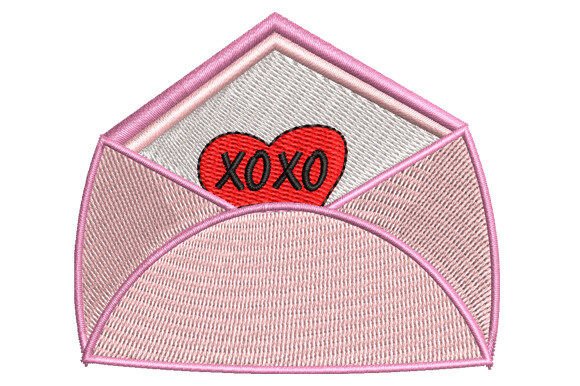
Sweet Love: A Designer’s Review for Real Embroidery Projects
As a designer who has spent countless hours staring at digitized files and watching needles punch through fabric, I have learned that not every cute graphic translates well into thread. When I first pulled up the Sweet Love machine embroidery design, my initial reaction was one of cautious optimism. The preview suggested a whimsical charm that fits perfectly within the Valentine S Day category, but previews can be deceiving. I needed to know if this embroidery file would hold up under the scrutiny of a paying customer or survive the wash cycle of a daily-use item.
I decided to test Sweet Love in a real-world scenario rather than just judging it on screen. My goal was to determine if this design could elevate a standard handmade product into something memorable. I chose to stitch it onto a high-quality cotton tote bag, a popular item for small shop products and Etsy sellers. This choice was deliberate; tote bags require a design that is durable, visually clear from a distance, and capable of handling the tension of heavy fabrics without puckering.
First Impressions and Visual Personality
The mood of Sweet Love is immediately apparent. It exudes a soft, approachable aesthetic that avoids being overly saccharine. For embroidery designers, this balance is crucial. If a design is too complex, it loses its charm when scaled down. If it is too simple, it lacks the perceived value needed for commercial embroidery projects. This design strikes a middle ground, offering enough detail to look professional while maintaining the clean lines necessary for crisp stitching.
The layout suggests a versatility that goes beyond traditional holiday embroidery. While it naturally fits into Valentine S Day collections, its whimsical nature allows it to work year-round for personalized gifts. I imagined it on a baby onesie, where the soft curves would complement the delicate fabric, or on a kitchen towel, adding a touch of warmth to home decor. The visual personality is friendly and inviting, which is exactly what buyers look for in a handmade product.
Performance on Different Fabrics and Hoops
During my test run on the tote bag, I paid close attention to how the stitch density interacted with the canvas material. The design performed admirably, but this success was not accidental. I used a medium-weight cut stabilizer to support the fabric, which is essential for any embroidery project involving textured fabrics or heavier materials. Without proper stabilization, even the best digital embroidery file can result in registration issues or fabric distortion.
I also considered how Sweet Love would perform on stretchy fabric, such as a sweatshirt or custom apparel. Satin stitch elements in designs like this can sometimes pull on knit fabrics if the density is too high. I recommend that craft business owners test the design on scrap fabric first, specifically using the same type of garment they intend to sell. If you are stitching on a cap or curved surface, the hoop size becomes critical. Ensure your hoop can accommodate the design without forcing the fabric, which can lead to uneven stitches.
For those interested in applique design possibilities, consider whether parts of Sweet Love could be adapted. While the current file appears to be a standard fill and satin stitch combination, creative entrepreneurs often modify files to reduce stitch count or add texture. However, always check the license terms before altering a design for commercial use.
Practical Considerations for Sellers and Makers
If you are an Etsy seller or run a small boutique, the clarity of your design directly impacts buyer engagement. Sweet Love offers good contrast, which is vital for visibility. I tested the design against both light and dark fabric backgrounds. On light fabrics, the thread colors popped nicely, but on dark fabrics, I had to adjust my thread palette to ensure the details remained visible. This is a common oversight for new makers; a design that looks great in a printable mockup may disappear on a navy blue hoodie if the thread choice is not strategic.
Another key factor is the durability of the finished product. Items like tea towels and aprons undergo frequent washing. I inspected the stitch edges after a wash test, looking for fraying or loose threads. The running stitch and fill stitch areas held up well, suggesting that this design is robust enough for items that will see regular use. This reliability builds customer trust, a cornerstone of any successful craft business.
For those creating digital product previews, remember that lighting and angle matter. A well-stitched sample of Sweet Love can serve as a powerful marketing asset. Show the design in context—on a pillow cover, wrapped as a holiday gift, or paired with other design assets. This helps potential buyers visualize the end result, increasing the likelihood of a sale.
Designer Notes and Final Verdict
Before adding Sweet Love to your production line, here are a few practical steps to ensure success:
- Check the specifics: The product description mentions it comes with multiple formats, but always verify the exact stitch count and compatible hoop sizes for your specific machine. Not all machines read every digital embroidery file format equally.
- Test on scraps: Never stitch a final product without a test run. Use the same fabric and stabilizer combination you plan to use for the client order.
- Thread selection: Choose high-quality threads to enhance the sheen of the satin stitch areas. Cheap thread can break or fade, diminishing the professional look of your handmade product.
- Licensing: Confirm whether the license allows for commercial embroidery. Most designers allow selling finished physical items, but restrictions may apply to digital resale or mass production.
In conclusion, Sweet Love is a solid addition to any embroidery designer’s library. It is not just a seasonal novelty; it is a versatile tool for creating charming, high-quality goods. Whether you are stitching a personalized gift for a friend or producing inventory for your online store, this design offers the reliability and aesthetic appeal needed to stand out in a crowded market. By paying attention to fabric choice, stabilization, and thread quality, you can transform this simple embroidery file into a standout piece that customers will love and cherish.