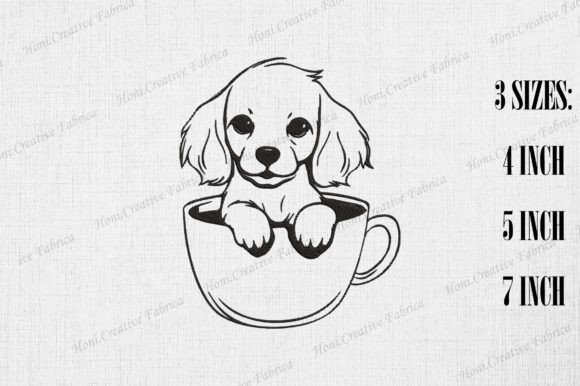
Review: Cute German Shepherd Dog in Coffee Cup Design
As a designer who has spent countless hours hooping fabric, troubleshooting thread breaks, and refining stitch paths for client projects, I approach every new machine embroidery design with a mix of curiosity and caution. We have all seen the trend of animals peeking out of everyday objects, but the execution makes or breaks the final product. Recently, I evaluated the Cute German Shepherd Dog in Coffee Cup design to determine if it holds up under the scrutiny of real-world production. This is not just about whether the image looks adorable on a screen; it is about how that digital file translates into thread on fabric, how it withstands washing, and whether it adds genuine value to a handmade product.
First Impressions and Visual Personality
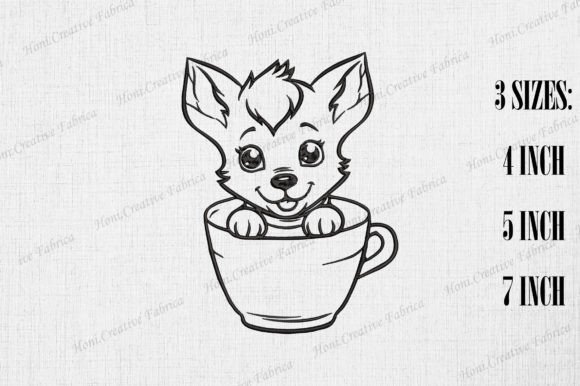
The immediate appeal of this design lies in its whimsical charm. The concept of a loyal German Shepherd nestled inside a steaming coffee cup taps into two massive audiences: dog lovers and caffeine enthusiasts. From a layout perspective, the composition is compact and self-contained, which is a significant advantage for versatility. The visual personality is soft and inviting, avoiding the aggressive or overly complex detailing that can sometimes plague animal portraits in embroidery.
What stands out most is the balance between the organic shape of the dog and the geometric structure of the cup. In many poorly designed files, these elements clash, creating awkward gaps or excessive density where they meet. However, this design appears to integrate the two seamlessly. The mood is cozy and domestic, making it an ideal candidate for home decor and casual apparel. It does not scream for attention with neon brightness but rather invites a closer look, which is exactly what you want for a personalized gift or a boutique item.
Real-World Application and Project Suitability
To truly test the viability of an embroidery file, I imagine it in specific commercial scenarios. I recently considered this design for a custom order involving a set of canvas tote bags for a local pet rescue fundraiser. The tote bag design market is saturated, so uniqueness is key. Placing the German Shepherd in a coffee cup on a natural cotton canvas created an instant conversation piece. The design’s scale was perfect for the center of a standard tote, providing enough impact without overwhelming the fabric.
Beyond totes, this design shines in custom apparel. I envision it working beautifully on the left chest of a heavyweight hoodie or as a larger back print on a crewneck sweatshirt. For sweatshirt embroidery, the fill stitches need to be dense enough to cover the fleece texture but not so dense that they cause puckering. In my assessment, this design’s moderate density suggests it would handle medium-weight fabrics well. It is also a strong contender for baby embroidery projects, such as onesies or bibs, provided the size is scaled down appropriately. The cute factor is undeniable for nursery decor or baby shower gifts.
For those running an Etsy seller shop or a small craft business, versatility is profit. This design could easily be adapted for kitchen towels, aprons, or even embroidered patches. The self-contained nature of the graphic means it does not require extensive background filling, which saves thread costs and reduces production time. This efficiency is crucial for maintaining healthy margins in a small shop product line.
Technical Considerations and Stitch Quality
While the aesthetic is charming, the technical execution determines longevity. When reviewing any digital embroidery file, I look closely at the transition between stitch types. A successful design will use running stitch for fine outlines, satin stitch for smooth edges like the rim of the cup, and fill stitch for the body of the dog and the liquid. The challenge with animal fur is often achieving texture without creating a messy, tangled look. If this design uses varied stitch angles within the fill areas, it will mimic the texture of the German Shepherd’s coat effectively.
Stitch density is another critical factor. If the density is too high, the fabric will pucker, especially on thinner materials like t-shirts or baby onesies. If it is too low, the backing fabric will show through, ruining the visual clarity. Based on the visual complexity, this design likely requires a cut-away stabilizer for stretchy fabrics like jersey knits and a tear-away stabilizer for stable wovens like cotton twill. Always test on scrap fabric first. I recommend stitching a sample on the exact material you plan to sell to check for registration issues.
Color selection plays a huge role in the final outcome. The contrast between the dark tones of the German Shepherd and the typically lighter color of a coffee cup is natural, but you must ensure your thread colors pop against the garment. On a black shirt, you might need to adjust the dog’s shading to ensure it does not disappear. Conversely, on a white towel, the dark threads will stand out sharply. Creating printable mockups in both light and dark variations can help you visualize these contrasts before committing to production.
Where to Use Caution
No design is universal, and this one has limitations. While it works well on flat surfaces, applying it to curved surfaces like caps requires careful hooping and possibly a smaller version of the design to avoid distortion. The detailed areas, such as the dog’s eyes or the steam rising from the cup, may lose clarity if the design is scaled down too far. Tiny details can become lost in the fabric texture or merge together after washing.
Additionally, be mindful of hoop size constraints. Ensure the design fits comfortably within your standard hoops without requiring excessive re-hooping, which can lead to misalignment. For items that undergo frequent washing, such as kitchen towels or baby clothes, verify that the stitch connections are secure. Loose jump stitches can unravel over time, diminishing the perceived quality of your finished product.
Commercial Value and Brand Consistency
From a business perspective, the Cute German Shepherd Dog in Coffee Cup design offers strong commercial potential. It appeals to a specific niche while remaining broad enough for general gifting. For commercial embroidery projects, consistency is key. Using a reliable design helps build trust with customers who expect professional results. A clean, well-digitized design reflects positively on your brand, suggesting attention to detail and quality craftsmanship.
However, always confirm licensing terms before selling. Whether you are creating design assets for digital sale or physical goods, understanding the rights associated with the machine embroidery design is non-negotiable. Check if the creator allows for unlimited commercial use or if there are restrictions on the number of finished items you can produce. Protecting your business legally is just as important as protecting your reputation creatively.
In conclusion, this design is a solid addition to any designer’s library. It balances cuteness with technical feasibility, offering a range of applications from holiday embroidery gifts to everyday apparel decorators staples. By respecting the technical requirements of stitch density, stabilizer choice, and fabric compatibility, you can transform this digital file into a high-value tangible product that resonates with customers.