Review: Pembroke Welsh Corgi in Coffee Cup Design
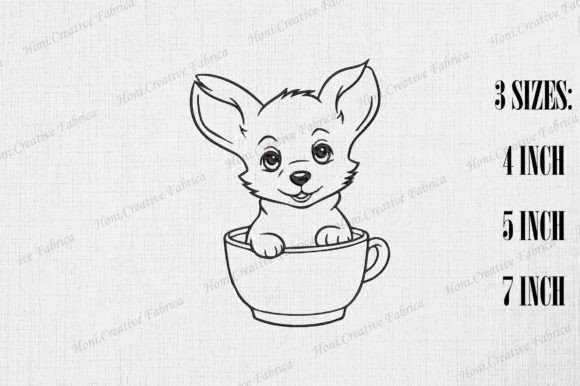
As an embroidery designer who has spent countless weekends behind a craft fair booth, I have learned that the difference between a browsing customer and a buying customer often comes down to immediate visual impact. When I first loaded the Pembroke Welsh Corgi Dog in Coffee Cup machine embroidery design into my software, my initial reaction was one of genuine delight. This is not just another animal motif; it is a clever fusion of two massive trends in the handmade market: the enduring love for corgis and the cozy, relatable aesthetic of coffee culture.
For those of us running small shops or selling as Etsy sellers, finding a digital embroidery file that balances cuteness with commercial viability is rare. This design feels inherently friendly, modern, and slightly whimsical. It does not try to be overly realistic or stiff. Instead, it offers a soft, decorative appeal that fits perfectly into the current demand for personalized, heartwarming home goods and accessories. If you are preparing your inventory for the upcoming season, this piece deserves a spot in your production queue.
First Impressions and Visual Appeal
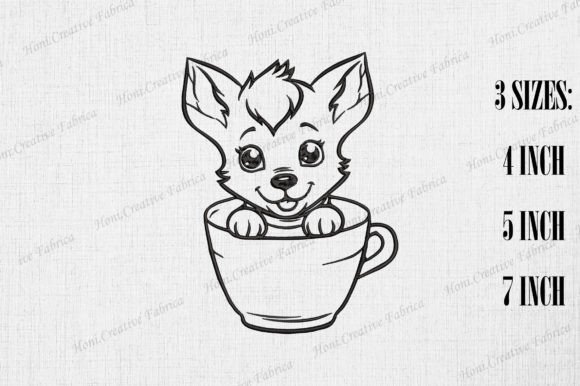
The concept is simple yet effective: a fluffy Pembroke Welsh Corgi peeking out of or sitting within a steaming coffee cup. This imagery immediately signals comfort. In a busy craft fair environment, where shoppers are scanning tables quickly, this design stands out because it tells a story in a single glance. It says "cozy," "cute," and "fun" without needing any explanation.
The color palette potential here is vast. You can use traditional browns and creams for a rustic, farmhouse look, or opt for pastel threads for a softer, baby-friendly vibe. The contrast between the rich tones of the coffee cup and the golden hues of the corgi creates natural depth. For a handmade product to sell well, it must look premium from three feet away. This design achieves that by using bold shapes that remain clear even at a distance, making it an excellent choice for booth displays.
Best Products for Maximum Sales
Not every design works on every item. Through trial and error, I have found that the Pembroke Welsh Corgi Dog in Coffee Cup performs exceptionally well on specific categories. Here is where I would place this design in my product lineup:
- Tote Bag Design: A canvas tote with this embroidered front is a bestseller. The sturdy fabric supports the stitch density well, and the design is large enough to be the focal point.
- Apron Embroidery: Positioning the corgi on the bib of a kitchen apron adds personality to a functional item. It appeals to home cooks and makes for a fantastic gift.
- Tea Towel Embroidery: This is perhaps the most natural fit. The theme aligns perfectly with kitchen decor. Ensure you use a proper stabilizer to prevent puckering on the thinner fabric.
- Embroidered Patch: Creating iron-on or sew-on patches allows customers to customize their own jackets or bags. This expands your reach to buyers who want DIY options.
- Caps and Hats: While tricky due to the curved surface, a smaller version of this design on a dad hat can be very popular. Keep the size modest to maintain clarity.
These items are not only practical but also highly giftable. When shoppers see a craft fair product that solves a gift dilemma, they are more likely to purchase. A corgi-loving friend who drinks coffee? This covers both bases.
Production Practicalities and Technical Notes
Before you commit to batch production, there are critical technical aspects to consider. As a professional, I always advise testing the embroidery file on scrap fabric first. Do not assume the default settings will work for your specific machine or thread brand.
Stitch Density and Fabric Texture: Check the stitch density of the design. If the area representing the coffee or the dog’s fur is too dense, it may cause perforation in lightweight fabrics like onesies or thin tea towels. Conversely, if it is too sparse, the backing might show through on dark fabrics. Always pair your top thread with an appropriate bobbin thread and use a high-quality cut-away or tear-away stabilizer depending on the fabric stretch.
Hoop Size and Placement: Confirm the required hoop size before purchasing. If the design is large, ensure your machine can handle it. For smaller items like pouches or caps, you may need to resize the design. Be cautious when scaling down; tiny details like the eyes or steam lines may lose clarity if the design becomes too small. A good rule of thumb is to keep the smallest element no smaller than 3mm to ensure clean stitching.
Thread Colors: The success of this design relies heavily on thread contrast. Use a matte thread for the cup to give it a ceramic look, and a slightly shiny rayon or polyester for the corgi to highlight the fur texture. Test different combinations to see what pops best against your chosen fabric colors.
Marketing and Brand Consistency
For the modern Etsy seller or boutique maker, consistency is key. This design fits seamlessly into brands that focus on joy, pets, and home comfort. When creating your printable mockup or listing photos, stage the finished product in a cozy setting. Think warm lighting, a real mug of coffee nearby, and soft textures. This helps the buyer visualize the item in their own home.
Use terms like "commercial embroidery" and "small shop product" in your backend keywords to attract wholesale buyers or other crafters looking for unique assets. However, always verify the license terms of the design assets you purchase. Ensure you have the right to sell the finished product physically. Most designers allow this, but it is crucial to double-check to protect your business.
Final Verdict for Craft Fair Sellers
The Pembroke Welsh Corgi Dog in Coffee Cup is more than just a cute image; it is a strategic asset for your embroidery business. It bridges the gap between niche pet lovers and general home decor enthusiasts. It is versatile enough to work on towels, clothes, and accessories, yet specific enough to stand out in a crowded market.
My advice is to start with a small batch of tea towels and tote bags. These are low-risk, high-reward items that showcase the design effectively. Pay attention to your fabric texture choices, nail your stabilization technique, and present the items with warmth and personality. If you do this, you will find that this design does not just sit on the table—it invites conversation, smiles, and sales. Happy stitching!