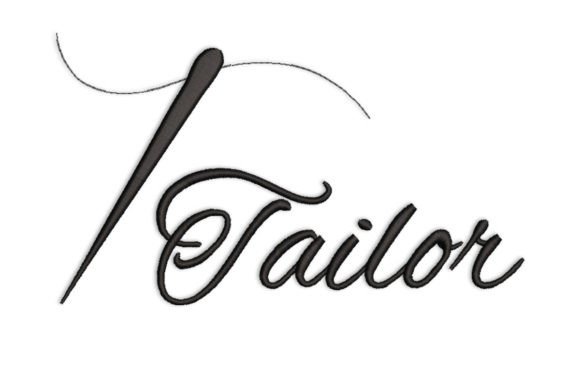
Tailor Needle: A Designer’s Review for Real Projects
As a designer who has spent countless hours staring at digitized previews and even more hours watching needles punch through fabric, I have learned to be skeptical of "whimsical" claims. We see thousands of machine embroidery design files pass through our screens, promising charm and ease. But does the final stitched product hold up under scrutiny? Today, I am taking a close look at Tailor Needle, not just as a digital asset, but as a practical component for real-world Sewing and Embroidery projects.
My initial impression of Tailor Needle is one of understated elegance. It does not scream for attention with overly dense fill stitches or chaotic layouts. Instead, it offers a balanced visual personality that feels both classic and fresh. For those of us running a craft business or managing an Etsy seller storefront, this balance is crucial. We need designs that catch the eye in a thumbnail but do not overwhelm the garment or home decor item they adorn.
Visual Appeal and First Impressions
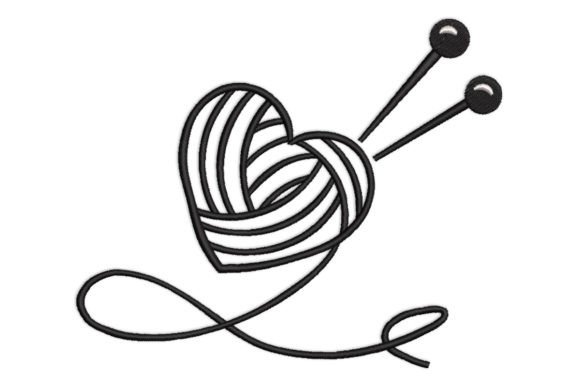
The mood created by Tailor Needle is inviting. It possesses a touch of whimsy and charm, as described, but it achieves this through clean lines and thoughtful spacing rather than clutter. When I visualize this embroidery file on a project, I see versatility. The layout suggests it would work beautifully as a focal point on a tote bag design or as a subtle accent on a high-end apron. It avoids the trap of looking too juvenile, which makes it suitable for a wider demographic, from nursery decor to boutique branding for adult apparel.
For embroidery designers, the clarity of the shape is paramount. If the details are too fine, they get lost in the fabric texture. If they are too blocky, they lack sophistication. Tailor Needle seems to strike a middle ground, suggesting that it relies on a mix of satin stitch borders and carefully planned fill stitch areas to create depth without excessive bulk. This is vital for maintaining the drape of the finished product, especially on softer fabrics like cotton or linen blends.
Real-World Application Scenarios
To truly evaluate a design, we must move beyond the screen and imagine the needle hitting the fabric. Let us consider a few concrete scenarios where Tailor Needle could shine.
Imagine preparing a custom embroidered tote bag for a local farmer’s market. You want something that speaks to quality and handmade care. Placing Tailor Needle centrally on a canvas tote creates an immediate sense of brand identity. The design’s whimsical nature softens the utilitarian feel of the bag, making it a desirable accessory rather than just a grocery carrier. Similarly, for sweatshirt embroidery, this design could sit perfectly on the left chest or as a larger back print. Because it likely avoids extreme density, it should remain comfortable against the skin, a key selling point for custom apparel.
Another strong use case is in the realm of personalized gifts. Think of a baby embroidery project, such as a muslin swaddle or a onesie. Parents are increasingly discerning about what goes on their child’s clothing. They want charm without scratchiness. If Tailor Needle utilizes appropriate running stitch outlines and moderate stitch density, it becomes an ideal candidate for these delicate items. It also translates well to holiday embroidery, adding a festive yet timeless touch to tea towels or pillow covers during the gift-giving season.
Technical Considerations and Fabric Compatibility
While the aesthetic is promising, we must discuss where caution is needed. No single embroidery file is universal. Tailor Needle may require careful handling on certain materials. For instance, on stretchy fabric like jersey knits, proper stabilizer selection is non-negotiable. Without a cut-away stabilizer, even a well-digitized design can pucker or distort over time. I always advise testing the design on scrap fabric first, mimicking the exact layers and tension you will use for the final product.
Textured fabrics present another challenge. If you are stitching on a thick terry cloth towel, the finer details of the design might get lost in the loops. In such cases, increasing the scale slightly or choosing thread colors with high contrast against the background can help maintain visibility. Conversely, on thin fabric, you must watch for pull-in. If the design has large solid areas, consider using an applique design technique if the file supports it, or ensure your stabilizer is robust enough to support the weight of the thread.
Dark fabric backgrounds require special attention to thread colors. A design that looks crisp on white may vanish on navy or black. I recommend creating printable mockups in both light and dark settings before committing to production. This helps you decide whether to use metallic threads, lighter pastels, or bold primaries to ensure the Tailor Needle motif pops effectively.
Business Value and Brand Consistency
For small shop owners and creative entrepreneurs, every design asset contributes to brand consistency. Tailor Needle fits well into a portfolio that values craftsmanship and gentle aesthetics. It enhances the perceived value of the handmade product because it looks intentional and professional. Customers trust designs that are cleanly stitched and well-placed. A messy or poorly chosen design can undermine confidence in the entire piece.
When listing items on platforms like Etsy, the visual appeal of the embroidery directly impacts buyer engagement. High-quality photos of Tailor Needle stitched on a premium pillow cover or a structured cap can significantly boost click-through rates. It serves as a strong design asset for digital product previews as well, allowing you to showcase the potential of the file to other makers if you are selling the digital embroidery file itself.
Practical Notes for the Maker
Before you load this into your machine, here are a few practical steps to ensure success:
- Check the License: Always confirm licensing terms before selling finished items or digital products. Ensure the file allows for commercial embroidery use if you plan to monetize the output.
- Verify File Formats: The description mentions it comes with "mu," which may refer to a specific format or be incomplete. Ensure you have the correct file type for your specific machine brand (PES, DST, JEF, etc.).
- Test Stitch Density: Run a test on similar fabric to check for puckering. Adjust tension if necessary.
- Hoop Size Confirmation: Make sure the design fits within your available hoop size without needing excessive re-hooping, which can lead to alignment issues.
- Thread Quality: Use high-quality rayon or polyester threads to prevent breakage and ensure a lustrous finish that highlights the design’s charm.
In conclusion, Tailor Needle appears to be a versatile and charming addition to any embroidery library. It bridges the gap between playful and professional, making it suitable for a wide range of applications from baby clothes to boutique home decor. By respecting the technical requirements of the fabric and machine, you can leverage this design to create products that resonate with customers and stand out in a crowded market. Whether you are a hobbyist looking to add a personal touch to a gift or a seasoned pro expanding your catalog, this design warrants a spot in your rotation.