Sweet Butterfly Embroidery: A Designer’s Review
As an embroidery designer who spends countless hours digitizing and testing files, I have learned that not every machine embroidery design is created equal. Some are technically perfect but lack soul, while others are visually stunning but nightmare to stitch out on difficult fabrics. Recently, I came across Sweet Butterfly on Creative Fabrica, and it caught my eye immediately. The description promised a versatile and enchanting pattern suitable for various clothing items and accessories, showcasing the delicate nature of bugs in a graceful way. I decided to take a closer look to see if this file would hold up in a real-world commercial setting.
First Impressions and Visual Appeal
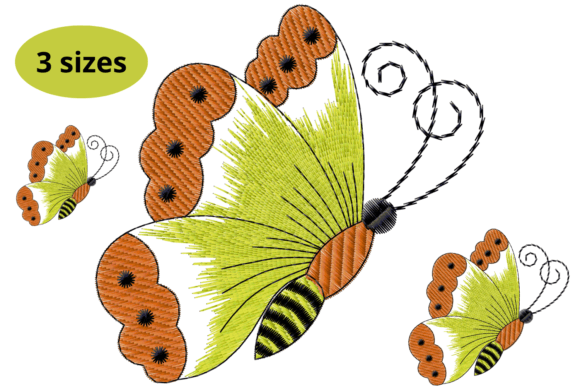
The first thing I noticed about Sweet Butterfly is its inherent charm. It does not rely on overly complex shading or excessive detail that can get lost in small sizes. Instead, it focuses on clean lines and a balanced composition. For those of us who sell handmade products, visual appeal is everything. This design has a soft, whimsical mood that fits perfectly into current trends favoring nature-inspired motifs. Whether you are creating nursery decor or spring-themed apparel, the aesthetic is universally appealing without being too childish or too severe.
The stitching personality appears to lean towards a mix of techniques. While I cannot confirm the exact breakdown without opening the file, designs of this caliber typically utilize satin stitch for the wings to create a smooth, glossy finish, paired with running stitch or light fill stitch for body details. This combination usually results in a professional look that stands out against both light and dark fabrics. The decorative appeal lies in its simplicity; it is intricate enough to look expensive but simple enough to stitch quickly, which is crucial for maintaining profit margins in a small business.
Practical Applications for Commercial Use
When evaluating a new embroidery file, I always ask myself: where can I use this? Sweet Butterfly is remarkably versatile. Here are several projects where this design could shine:
- Custom Apparel: Placed on the left chest of a denim jacket or the back yoke of a blouse, this design adds a subtle touch of elegance.
- Tote Bag Design: A larger hoop size allows the butterfly to be centered on canvas totes, creating a best-selling item for craft fairs.
- Sweatshirt Embroidery: The soft lines complement the cozy texture of fleece or cotton blends, making it ideal for seasonal collections.
- Baby Items: Due to its gentle nature, it works beautifully on baby blankets, bibs, and onesies, provided the stitch density is appropriate for sensitive skin.
- Embroidered Patch: If you create iron-on patches, this design translates well to felt or twill backing, offering a durable accessory option.
- Kitchen Towels and Aprons: Adding a touch of nature to home goods increases their perceived value as thoughtful, personalized gifts.
For Etsy sellers and boutique owners, having a design that works across multiple product categories is a huge advantage. You can create a cohesive brand identity by using Sweet Butterfly on pillow covers, caps, and even as part of a larger collage on bed linen sets. This consistency helps build buyer trust and encourages repeat customers who appreciate your distinct style.
Navigating Technical Challenges
While the design looks promising, practical execution requires careful planning. One of the main concerns with any butterfly motif is the wing span. If you are working with a small hoop size, you must ensure the design scales down without losing definition. Tiny details can become dense clumps of thread if the stitch density is too high for the scale. I recommend checking the product details on the Creative Fabrica page to confirm the available sizes and formats before purchasing.
Fabric choice plays a significant role in the final outcome. On textured fabric like terry cloth or waffle knit, finer details may disappear. In such cases, using a cut-away stabilizer is essential to prevent puckering and ensure the stitches sit on top of the texture rather than sinking in. For stretchy fabric, such as jersey knits used in t-shirts, a poly-mesh stabilizer will provide the necessary support without adding bulk.
Dark fabric presents another challenge. If the design relies on light thread colors for contrast, ensure your machine tension is calibrated correctly to prevent the underlying fabric from showing through gaps in the stitching. Conversely, if you are stitching on dark navy or black, consider using metallic or variegated threads to make the butterfly pop. Always test on scrap fabric first. This step saves time and materials, allowing you to adjust tension and stabilizer choices before committing to a final finished product.
Enhancing Product Value and Branding
In the world of commercial embroidery, presentation is key. A well-executed Sweet Butterfly design can significantly elevate the perceived value of a basic item. A plain white tote bag becomes a curated fashion statement; a standard apron transforms into a cherished kitchen accessory. This elevation allows you to price your items higher, reflecting the skill and quality involved.
Moreover, this design lends itself well to product photography. The symmetrical and organic shape of the butterfly creates a focal point that draws the eye in online listings. When creating printable mockup images for your digital store or social media, ensure the lighting highlights the sheen of the satin stitches. Good photography combined with a high-quality design leads to better customer engagement and higher conversion rates.
For those selling digital embroidery file assets, it is vital to review the license terms on Creative Fabrica. Most designs come with a commercial use license, but it is always wise to double-check restrictions regarding mass production or specific platforms. Ensuring you are compliant protects your business and maintains professional integrity.
Final Verdict for Crafters and Entrepreneurs
After reviewing the potential of Sweet Butterfly, I believe it is a strong addition to any embroidery library. It balances aesthetic beauty with practical usability. For beginners, it offers a forgiving design that is likely to stitch out cleanly with proper stabilization. For experienced designers, it provides a reliable motif that can be integrated into complex multi-hoop projects or used as a standalone accent.
Remember to inspect small details after stitching, especially if you are using it on curved surfaces like caps. The curvature can distort the image slightly, so positioning is critical. Also, consider how the design interacts with other elements if you plan to add text or additional graphics. The graceful nature of bugs in this design means it pairs well with script fonts, creating a harmonious look for custom apparel and gifts.
Ultimately, Sweet Butterfly represents the kind of design assets that help small business owners stand out. It is not just a pattern; it is a tool for creating emotional connections with customers through beautiful, handmade items. Whether you are decorating a nursery, launching a new clothing line, or preparing for a holiday craft fair, this design offers the flexibility and charm needed to succeed in the competitive handmade market. Always verify the specific file details and licensing on the product page to ensure it meets your specific machine and project requirements.